Risks we don’t notice until it’s too late
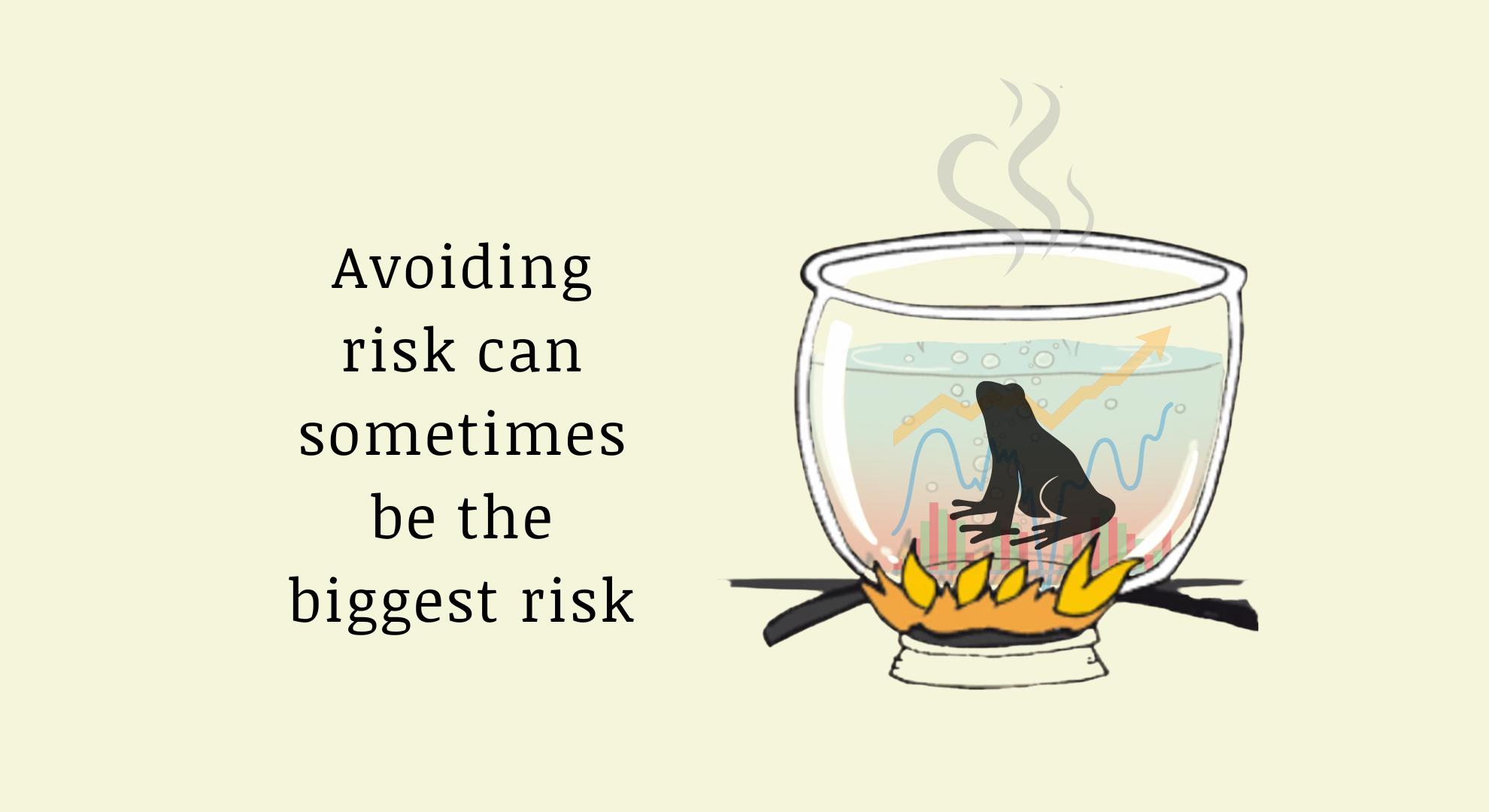
Ever heard of the boiling frog syndrome?
Imagine dropping a frog into boiling water; it jumps out instantly.
But place the same frog in cool water and slowly turn up the heat, and it stays, adjusting bit by bit until the warmth turns dangerous and it’s too late to escape.
Its relevance to human behaviour is undeniable, especially in personal finance.
Why Gradual Risks Feel Comfortable:
In real life, people respond sharply to sudden shocks.
A falling market, a red trading screen, or alarming headlines trigger fear.
This tendency is shaped by recency bias, where the latest events occupy most of the space in our minds.
The 2008 market crash is a classic example. Many investors moved from equity to safe asset classes like liquid-oriented schemes and bank deposits to feel safe.
When Recovery Happens Without You:
By 2010, markets had recovered. But many investors who exited equities never fully participated in that recovery.
The real risk wasn’t the ups and downs; it was people sitting in the warmth of ‘No Risk’ for a long time.
Small incremental shifts towards ‘Profits’ tend to go unnoticed.
The Invisible Cost of Playing Too Safe:
Safe asset classes show minimal volatility and create a sense of capital protection. There’s no sudden loss, no sharp pain just years of muted returns and missed compounding. However, over long period with the heat of inflation, your profits tend to die.
A Broader Life Lesson:
Equity investing, much like life, demands the ability to tolerate short-term discomfort for long-term progress. Sudden heat warns us. Slow heat numbs us.
The real risk is not volatility it’s becoming too comfortable with decisions that limit future potential.